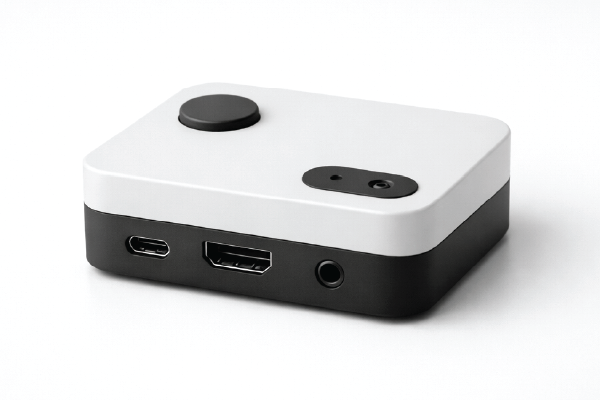
Acrylic (PMMA) is a translucent plastic used by several industries. It combines optical clarity and cost-effectiveness, making it an excellent choice for designers seeking aesthetics and performance. PMMA, or polymethyl methacrylate, is used in a variety of forms beyond plastics, including artists’ paint and textiles. For our purposes, we’ll focus primarily on the thermoplastic version of acrylic.
In this blog post, we’ll discuss what acrylic is, its history, how it’s made, and some of its applications.
What is acrylic?
Acrylic is a synthetic thermoplastic polymer derived from methyl methacrylate monomers. This material is widely recognizable by its trade names, such as Plexiglas, Lucite, and Perspex. It has a glass-like translucency, is lightweight, and is weather-resistant. Its shatter resistance, along with its other characteristics, makes it a viable replacement for glass in certain situations.
Key Properties
| Property | Typical Value for PMMA |
|---|---|
|
Transparency |
Up to 92% light transmission. |
|
Density |
1.18 g/cm3 |
|
Glass Transition Temp |
∼105° C |
|
UV Resistance |
Excellent |
|
Impact Resistance |
17-30x stronger than glass. |
|
Electrical Insulation |
Excellent |
- Optical Clarity: Transmits more visible light than glass, making it necessary for situations where light transmission is critical.
- Durability: Resistant to weathering and UV radiation, it maintains clarity and strength over time.
- Formability: Easy to cut, mold, and thermoform into complex shapes.
- Lightweight: Less dense than glass.
- Customization: Available in a wide range of colors, finishes, and thicknesses.
What is the history of Acrylic?
In the 1840s-1870s, chemists discovered the building blocks of acrylic. In 1877, they began polymerizing it, leading to its commercialization, which exploded in the 1930s when Röhm & Haas created Plexiglas and ICI created Perspex. These clear, shatter-resistant thermoplastics were used for aircraft windows during WWII and have since revolutionized applications ranging from aquariums to modern electronics.
Today, PMMA is a common material in everything from automotive components like headlights and interior light covers to medical devices and LCD screens on TVs, phones, and computers.
How is Acrylic made?
A chemical reaction called polymerization converts liquid methyl methacrylate (MMA) monomer into solid poly(methyl methacrylate) (PMMA) chains. There are two polymerization methods:
- Casting: Pouring liquid into molds for high clarity.
- Extrusion: Pushing pellets through a die for continuous sheets.
Both methods mix MMA with catalysts, then cure the mixture with heat/light. Once cured, they are shaped and cooled.
Cast Acrylic
This option offers the best optical clarity and higher quality but is slower.
- Monomer Mix: At this stage, liquid MMA monomer combines with a catalyst.
- Molding: The liquid mixture is poured into a mold, often between two glass plates, to form a cell.
- Curing: The mold is either heated in an oven or exposed to UV light, which triggers the polymerization. This step causes the MMA to harden into solid PMMA.
- Finishing: At this stage, the acrylic cools and is cut, sanded, and polished.
Acrylic Extrusion
This option is best for long, continuous sheets and is cost-effective.
- Pelletizing: At this stage, the MMA monomer gets polymerized into PMMA pellets, with additives for UV resistance or color.
- Extrusion: The pellets get fed into a long extruder, melted, and mixed.
- Shaping: Molten plastic gets forced through a die to form a continuous sheet. It then passes over rollers to set the thickness and surface.
- Cooling and Finishing: The long sheets of acrylic are cooled and cut to the desired size.
What industries use acrylic?
Acrylic is important in product design due to its ability to balance aesthetics, functionality, and manufacturability.
| Industry | Applications | Why Acrylic? |
|---|---|---|
|
Headlight lenses, light guides, and instrument panels. |
Optical clarity, moldability, and weather resistance. |
|
|
Glazing, panels, skylights, and balustrades. |
High light transmission, formability, and durability. |
|
|
Device covers, indicators, lenses, and enclosures. |
Glossy finish, scratch-resistant, and customization. |
|
|
Diagnostic housings, shields, and lab equipment. |
Biocompatibility, sterilizability, and clarity. |
A Few Recognizable Examples:
- Apple Store Displays: Edge-lit, sleek acrylic panels create a high-tech, minimalist aesthetic that aligns perfectly with the Apple brand.
- Automotive Lighting: Headlight and taillight lenses for clarity and the ability to get shaped into intricate shapes.
- Fighter Jet Canopies: Acrylic is chosen for its impact resistance and optical clarity, providing the pilot with maximum visibility and safety.
Acrylic vs. Other Materials
| Feature | Acrylic | Polycarbonate | Glass |
|---|---|---|---|
|
Light Transmittance |
92% |
88% |
90% |
|
Impact Resistance |
17-30x Glass |
250x Glass |
Baseline |
|
Scratch Resistance |
Moderate |
Low |
High |
|
UV/Weather Resistance |
Excellent |
Moderate (Needs Coating) |
Good |
|
Heat Resistance |
Up to 100° C |
Up to 150° C |
High |
|
Cost |
Low |
Higher |
Moderate to High |
|
Ease of Fabrication |
Excellent |
Good |
Poor |
- Acrylic Compared to Polycarbonate: Acrylic offers better optical clarity and scratch resistance. Polycarbonate is more heat-resistant and all-around tougher.
- Acrylic Compared to Glass: Acrylic is much lighter, easier to fabricate, and more impact-resistant. Glass is less prone to scratching.
FAQs
Define: Acrylic
Acrylic is a versatile, durable, and lightweight plastic used in a wide range of applications.